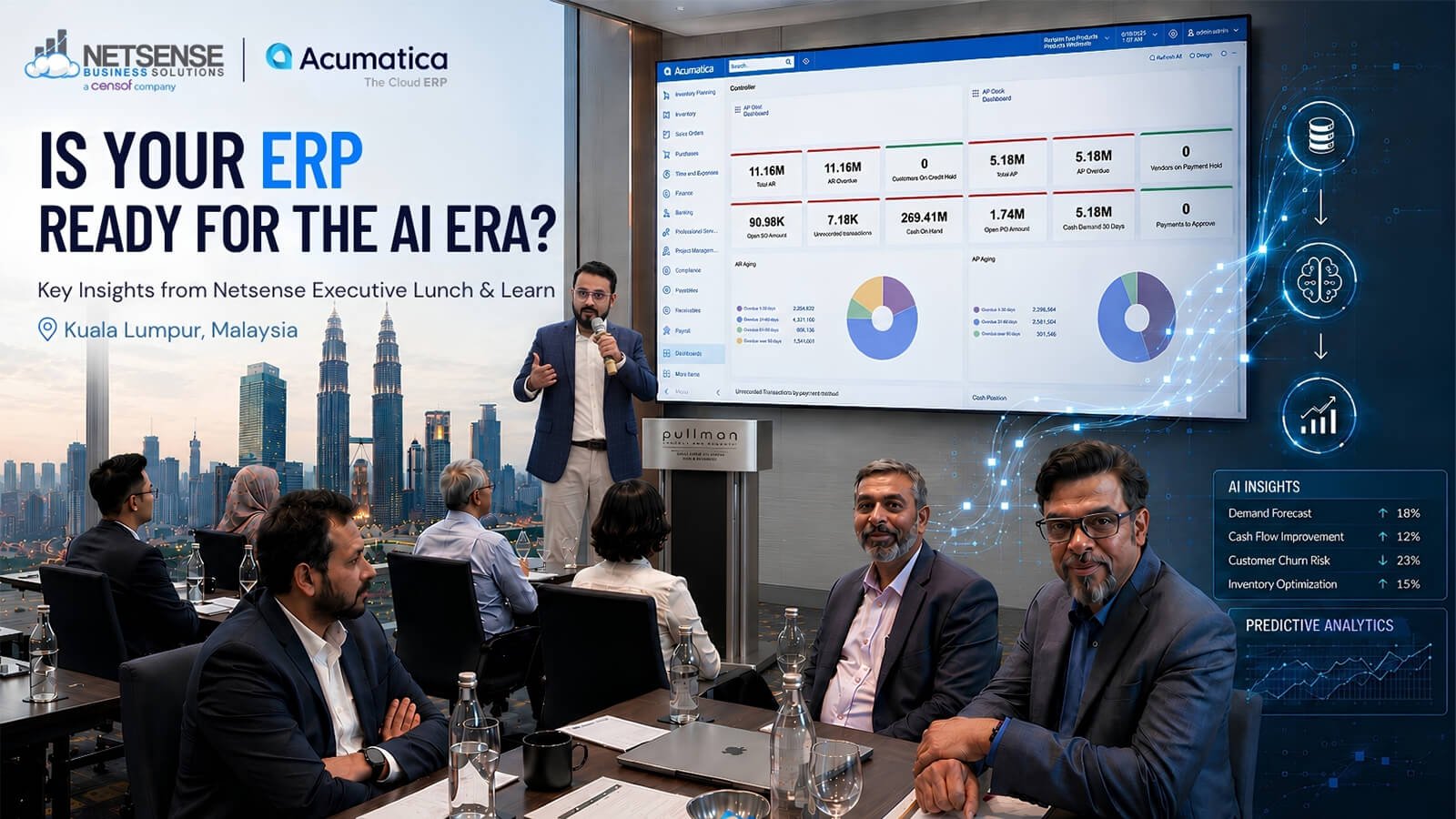
Artificial intelligence is rapidly changing the way businesses operate. From intelligent automation and real-time insights to emerging agentic capabilities, AI is creating new opportunities for organisations to improve efficiency, strengthen decision-making and rethink how everyday business processes are managed.
But becoming AI-ready is not simply a matter of adopting the latest AI tools.
Before AI can deliver meaningful business value, organisations need the right foundation in place — including connected business data, structured processes, modern technology, capable people and an ERP environment that can support the next stage of transformation.
This was the central question explored at “Is Your ERP Ready for the AI Era? – Executive Lunch & Learn”, hosted by Netsense Business Solutions in Kuala Lumpur on 18 August 2026.
The executive session brought together business and technology leaders to discuss what AI readiness means in practical terms, and how organisations can move beyond technology adoption towards more connected, intelligent and scalable operations.
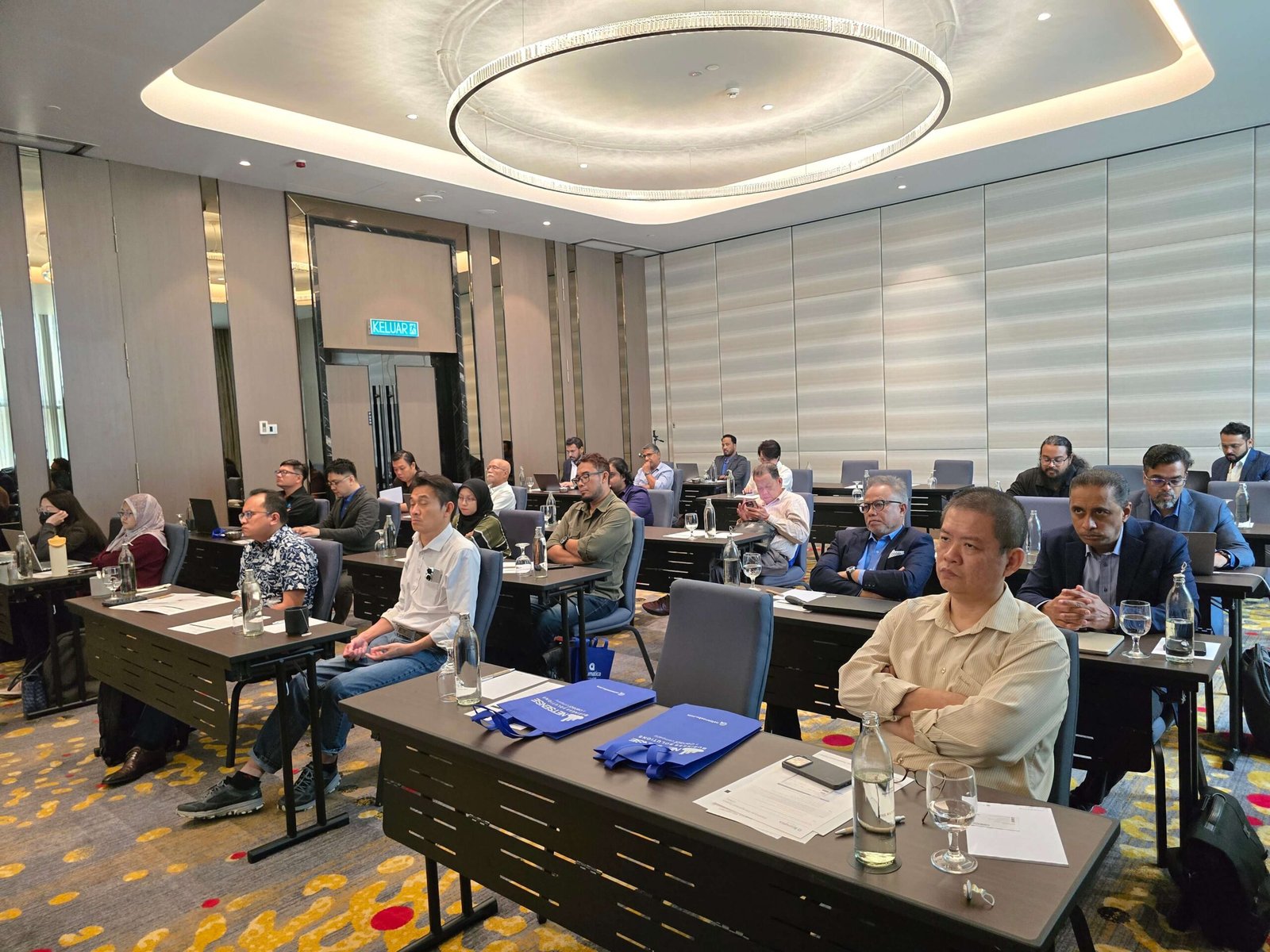
The discussions covered the evolution of ERP in the AI era, the importance of data readiness, intelligent and agentic operations, Acumatica Cloud ERP, NetAcu AI, AI-assisted ERP implementation, and the relationship between ERP investment and measurable business value.
Rather than focusing on AI as a technology trend, the session approached the topic from a more practical business perspective:
Before asking what AI can do for your business, you need to understand whether your business foundation is ready for AI.
For organisations considering their next step in ERP modernisation, Cloud ERP, AI adoption or digital transformation, that readiness can be the difference between simply implementing new technology and building a foundation for sustainable business value.
Table of contents
- Netsense Brings Business and IT Leaders Together in Kuala Lumpur
- Why ERP Readiness Matters in the AI Era
- What We Explored at the Executive Lunch & Learn
- Key Takeaways from the Event
- From ERP Modernisation to AI-Ready Operations
- What Businesses Can Do Next
- Ready to Assess Your ERP and AI Readiness?
- Frequently Asked Questions
- Final Thought
Netsense Brings Business and IT Leaders Together in Kuala Lumpur
On 18 August 2026, Netsense Business Solutions brought business and technology leaders together in Kuala Lumpur for “Is Your ERP Ready for the AI Era? – Executive Lunch & Learn.”
Held at Pullman Kuala Lumpur City Centre (PKLCC), the executive-focused session provided a platform for leaders to exchange perspectives on the evolving role of ERP, Cloud technology, AI, automation and digital transformation in modern business operations.
The event was designed for business and technology decision-makers, including business leaders, executives, CFOs, COOs, IT leaders, operations leaders, and professionals involved in ERP and digital transformation initiatives.
Rather than approaching AI as a standalone technology trend, the session focused on the practical considerations businesses need to address as they prepare for the next stage of digital transformation — from the readiness of their ERP and business data to the opportunities presented by intelligent automation and AI-enabled operations.
Through presentations, live demonstrations and executive discussions, participants explored how organisations can strengthen their technology foundation, improve visibility across business operations and identify practical opportunities to create greater business value.
The session also provided an opportunity for attendees to engage directly with the Netsense team, share their own business challenges and discuss potential approaches to ERP modernisation and AI readiness.
Ultimately, the event centred on one important consideration for today’s business leaders:
Being ready for AI is not only about having access to AI technology. It is about having a business foundation capable of putting that technology to work.
Why ERP Readiness Matters in the AI Era
The move towards AI-enabled business operations does not begin with AI itself. It begins with the systems, data and processes that support the business today.
For many organisations, moving from legacy systems to a Cloud ERP is an important step towards modernisation. However, being on the Cloud does not automatically mean that an organisation is AI-ready.
AI needs access to business information that is connected, structured and accessible. When finance, operations, sales, inventory, customer information and other business processes operate across disconnected applications or isolated spreadsheets, information can become fragmented. This makes it harder for organisations to establish a consistent view of the business and harder for intelligent technologies to work with the context they need.
The same applies to business processes. If important processes remain highly manual, inconsistent or dependent on disconnected systems, simply adding AI does not necessarily solve the underlying problem. The business foundation needs to be understood and, where necessary, improved first.
This is why ERP readiness matters.
A modern ERP can provide a more connected foundation across core business functions, helping organisations bring operational information together and create greater visibility into how the business is performing. From there, automation, analytics and AI capabilities can be applied in a more meaningful way.
The progression can be viewed simply as:
ERP → Connected Data → Intelligent Operations → Better Decisions
The objective is not to implement AI for the sake of adopting AI. It is to create an environment where reliable business information can support real-time visibility, intelligent processes and better decision-making.
Ultimately, AI readiness is closely connected to business readiness. The stronger the foundation, the greater the opportunity to use emerging technologies to improve how the organisation operates and creates value.
What We Explored at the Executive Lunch & Learn
The “Is Your ERP Ready for the AI Era?” Executive Lunch & Learn brought together several perspectives on what it takes for businesses to move from traditional ERP environments towards more connected, intelligent and AI-enabled operations.
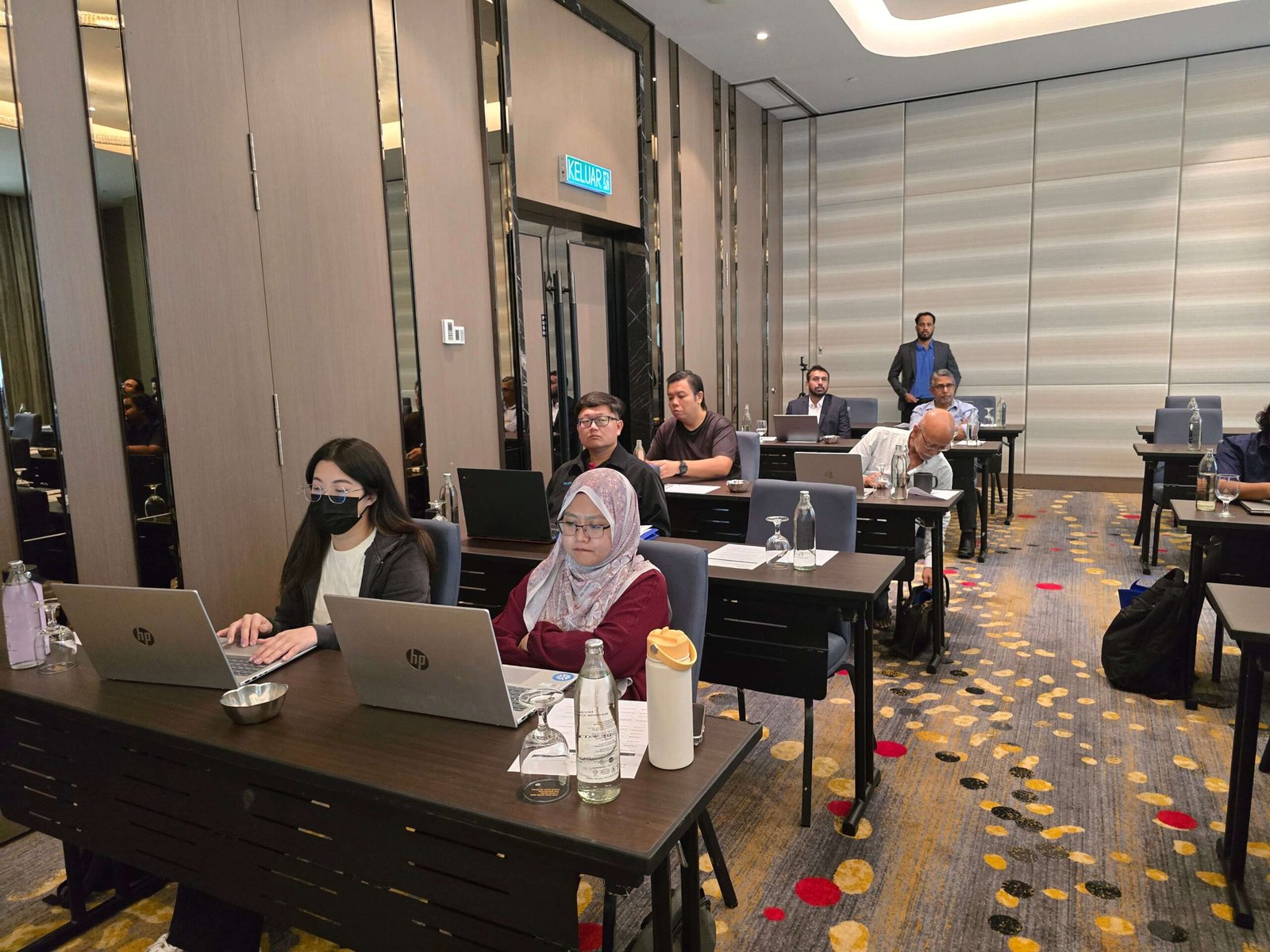
The session moved through a practical transformation journey—from readiness and automation to real-time ERP capabilities, AI and measurable business value—before continuing into an executive panel discussion on where businesses should actually begin.
Transformation Readiness
The first step in any transformation journey is understanding the organisation’s current state.
The presentation highlighted the importance of having the right foundation before moving further into AI and intelligent automation. This includes the readiness of business data, processes, people and technology, as well as the organisation’s ability to adapt to new ways of working.
Data is particularly important. Businesses that continue to rely heavily on Excel or disconnected systems may first need to establish a more structured and connected ERP environment. Once business information is structured and accessible, organisations have a stronger foundation from which to take advantage of new capabilities as they emerge.
Process readiness is equally important. Manual steps and fragmented workflows can limit the benefits of automation. Identifying where processes remain manual or insufficiently digitised is therefore an important part of preparing for greater automation.
The underlying message was straightforward:
Transformation should begin with understanding where the business is today.
Beyond Automation: The Rise of Agentic Operations
The conversation then moved beyond traditional automation towards the emerging concept of agentic operations.
Traditional automation typically follows predefined rules and workflows. The next stage introduces AI capabilities that can work with business information, identify relevant situations and support actions within business processes.
The presentation demonstrated how this can extend beyond simply generating reports or displaying information.
For example, AI-enabled capabilities can help identify changes in business information, surface relevant follow-ups and support updates to CRM and operational processes. The discussion showed how AI can increasingly become part of the operational flow rather than remaining a separate tool outside the business system.
The objective, however, is not automation for its own sake.
The real opportunity is to make everyday operations more responsive, connected and productive, while maintaining appropriate human oversight where decisions or approvals are involved.
AI-Ready ERP in Action
The concepts were then brought into a real business system through a demonstration of Acumatica Cloud ERP.
The presentation showed how a modern ERP environment can connect business information across areas such as finance, sales, purchasing, service, projects, inventory and reporting.
One of the key demonstrations focused on how users can interact with business information more naturally, including using AI and natural-language capabilities to work with data and gain insights.
The presentation also demonstrated how users can drill from higher-level dashboards and information into underlying business records, providing greater visibility into the source of the information behind a particular result.
This illustrates an important part of AI readiness:
AI becomes more useful when it has access to connected and structured business information.
Rather than treating ERP and AI as two separate technologies, the discussion explored how they can work together to provide greater visibility, support decision-making and improve business processes.
Executive Panel Discussion: Where Should Businesses Start?
After the presentation, the conversation moved into the executive panel with a more practical question:
Where should a business actually start?
The panel brought together different perspectives to discuss how organisations can begin their transformation journey without creating unnecessary complexity.
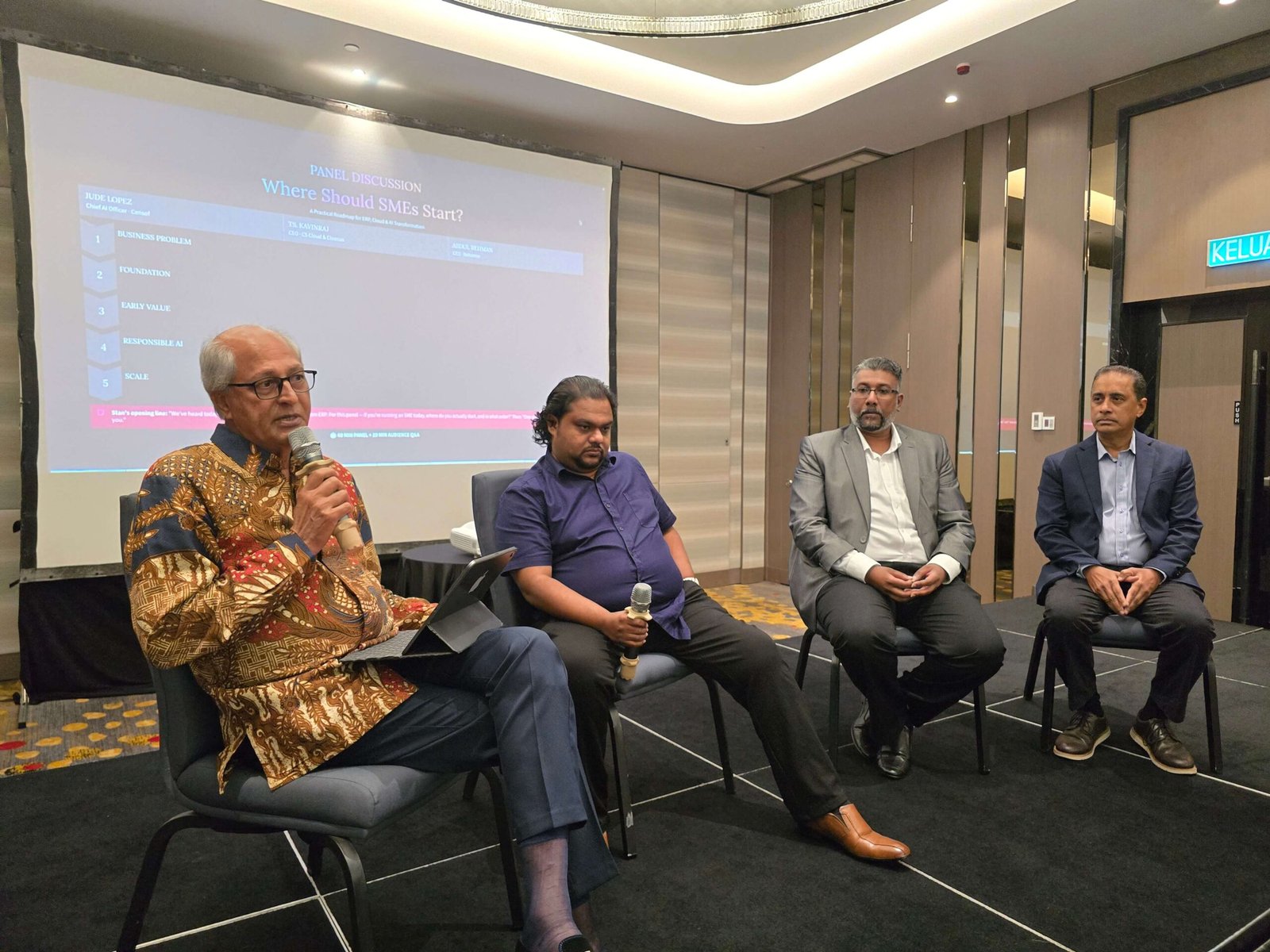
The discussion touched on the realities businesses face when implementing ERP and introducing AI—including data quality, process digitisation, organisational change and the need to align technology with actual business requirements.
One particularly important point was that AI is not deterministic. Its outputs still require appropriate human review, approval or intervention before they are allowed to proceed within important business processes. This concept of human-in-the-loop remains important when AI is introduced into operational workflows.
The panel also considered the importance of adapting technology and processes to changing business requirements, while addressing underlying issues such as people, change management and standard operating procedures.
Ultimately, the discussion reinforced that ERP and AI transformation should be approached as a business journey, not simply a technology implementation.
Readiness Assessment & One-to-One Conversations
The event also moved from discussion into practical next steps.
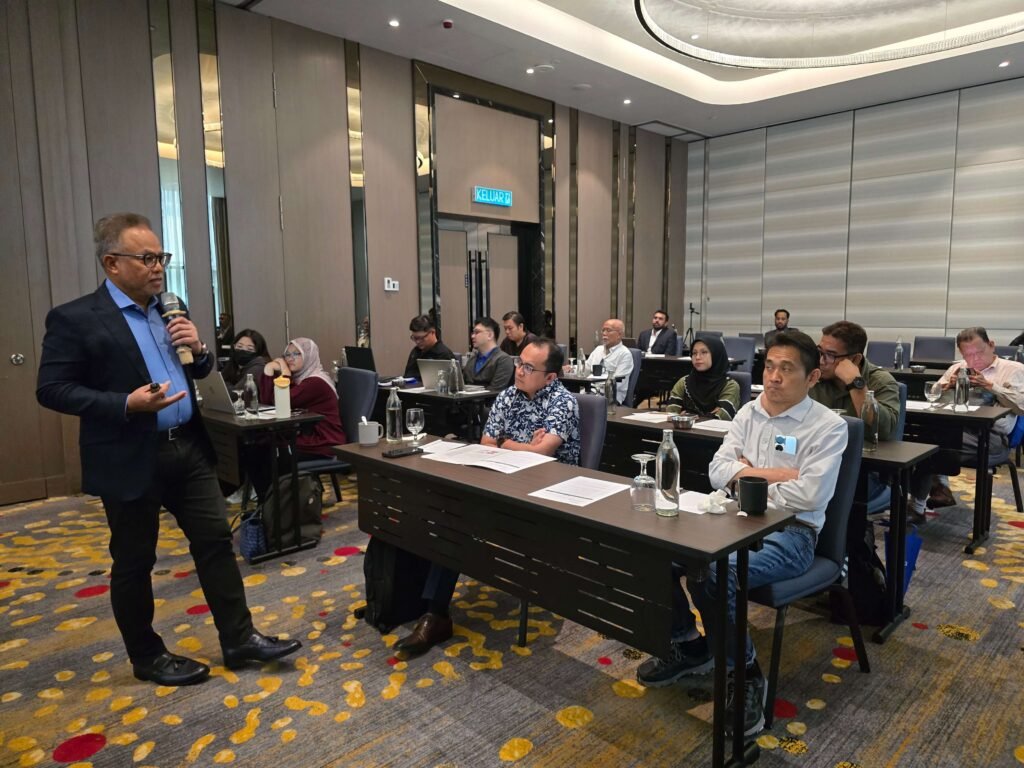
Netsense introduced a readiness assessment designed to help businesses better understand their current environment, identify areas where inefficiencies or potential losses may exist, and determine practical steps that could be taken over the following 90 days.
This reflects the broader approach discussed throughout the session:
Understand the current state → identify the gaps → prioritise opportunities → build a practical transformation roadmap.
For organisations considering ERP modernisation, Cloud ERP, automation or AI, this provides a more structured starting point than simply adopting technology because it is available.
The Executive Lunch & Learn therefore concluded its presentation segment with a clear transition from readiness and intelligent automation to real-time ERP capabilities and measurable business value, before opening the discussion to the executive panel.
Key Takeaways from the Event
The discussions at the “Is Your ERP Ready for the AI Era?” Executive Lunch & Learn highlighted an important point: AI readiness is not achieved by adding an AI tool to an existing environment. It requires businesses to look at the technology, data and processes that support their operations as a whole.
Several key takeaways emerged from the session.
1. Cloud ERP Is the Foundation, Not the Finish Line
Moving to a Cloud ERP can provide an important foundation for modern business operations, but being on the Cloud does not automatically make an organisation AI-ready.
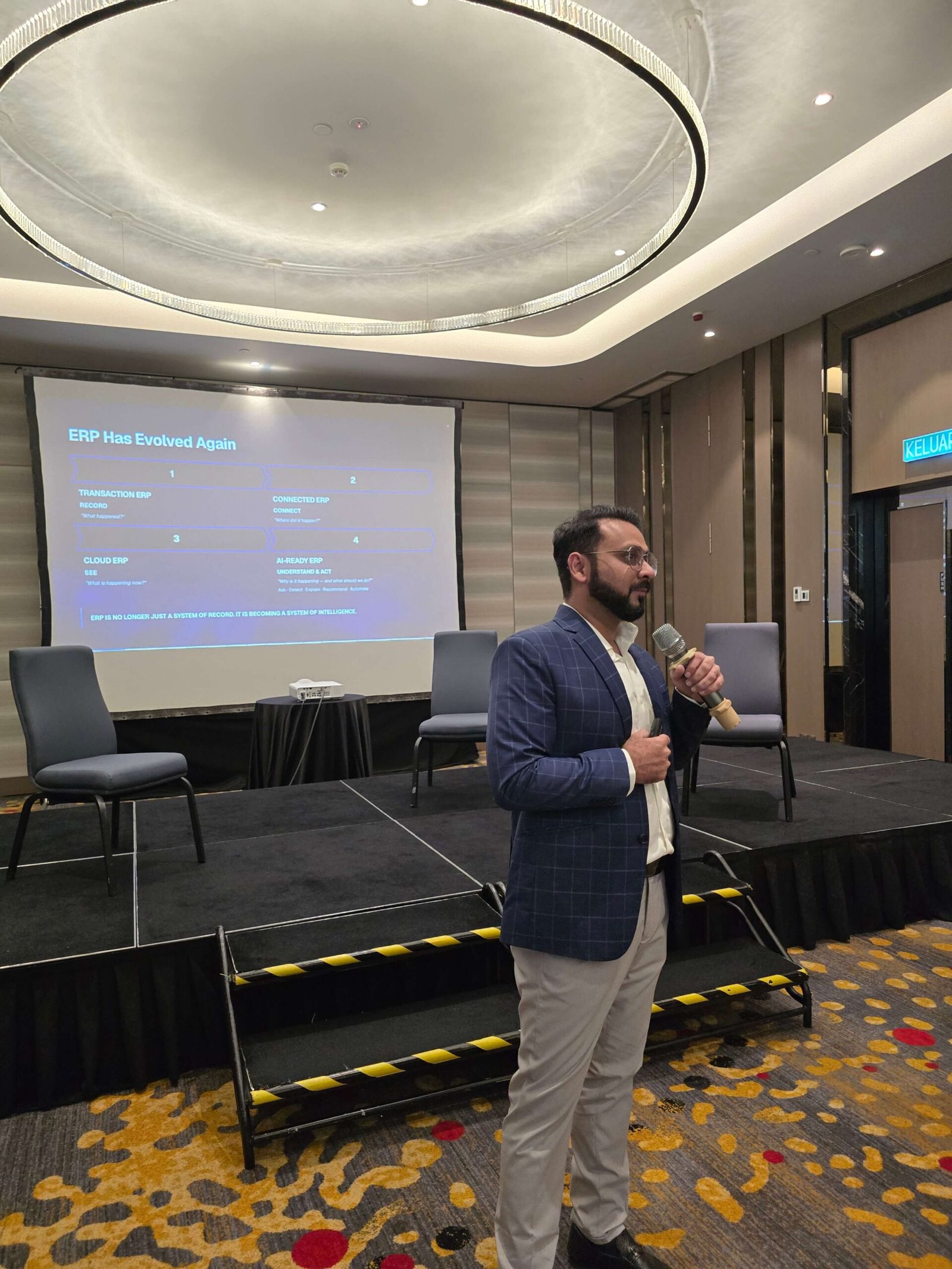
The presentation demonstrated the progression from traditional transactional ERP systems towards connected ERP, Cloud ERP and AI-enabled capabilities. The value comes from having an ERP environment that can provide structured business information and connected processes on which further capabilities can be built.
Also Read: How Artificial Intelligence Is Transforming Business Operations in 2026
For businesses considering AI, the question therefore should not simply be:
“Do we have a Cloud ERP?”
It should also be:
“Can our ERP and business data support what we want to achieve with AI?”
2. AI Needs Connected Business Data
AI is only as useful as the business information it can work with.
During the presentation, data was repeatedly positioned as a critical part of the foundation. Businesses still relying on Excel or disconnected systems may first need to bring their information into a more structured environment before they can take full advantage of emerging AI capabilities.
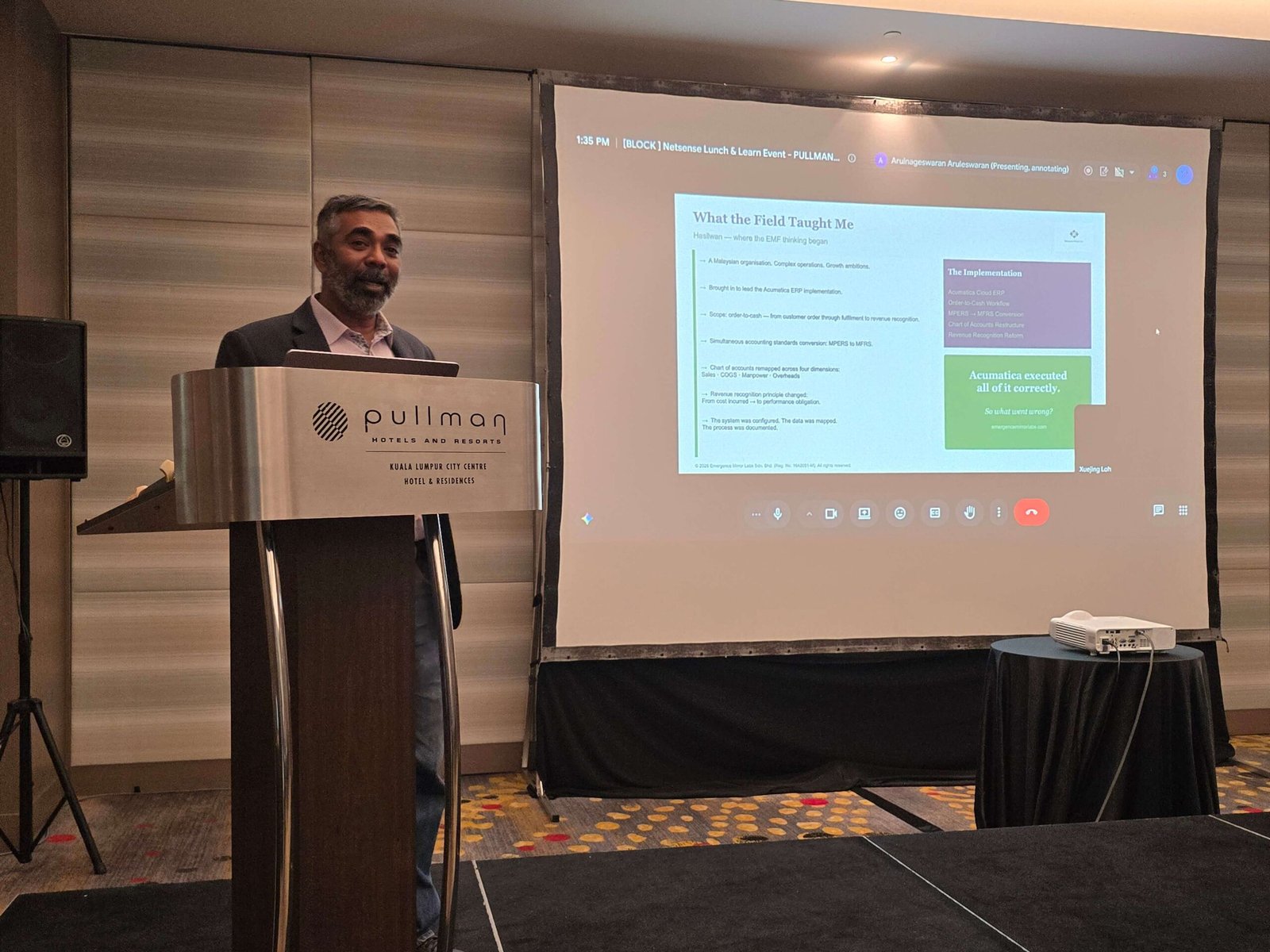
A connected ERP environment can bring information from different business functions together, creating greater context for analysis and decision-making.
This is particularly important when organisations want to connect information across areas such as finance, sales, operations, inventory, purchasing, customer management and reporting.
The takeaway is simple:
Before AI can provide better answers, businesses need to provide better-connected data.
3. Better Processes Enable Better Automation
AI and automation cannot compensate for fundamentally fragmented processes.
The event highlighted the importance of identifying areas that remain manual or have not yet been fully digitised. Even within an otherwise digital environment, manual steps can interrupt the flow of information and limit the potential for automation.
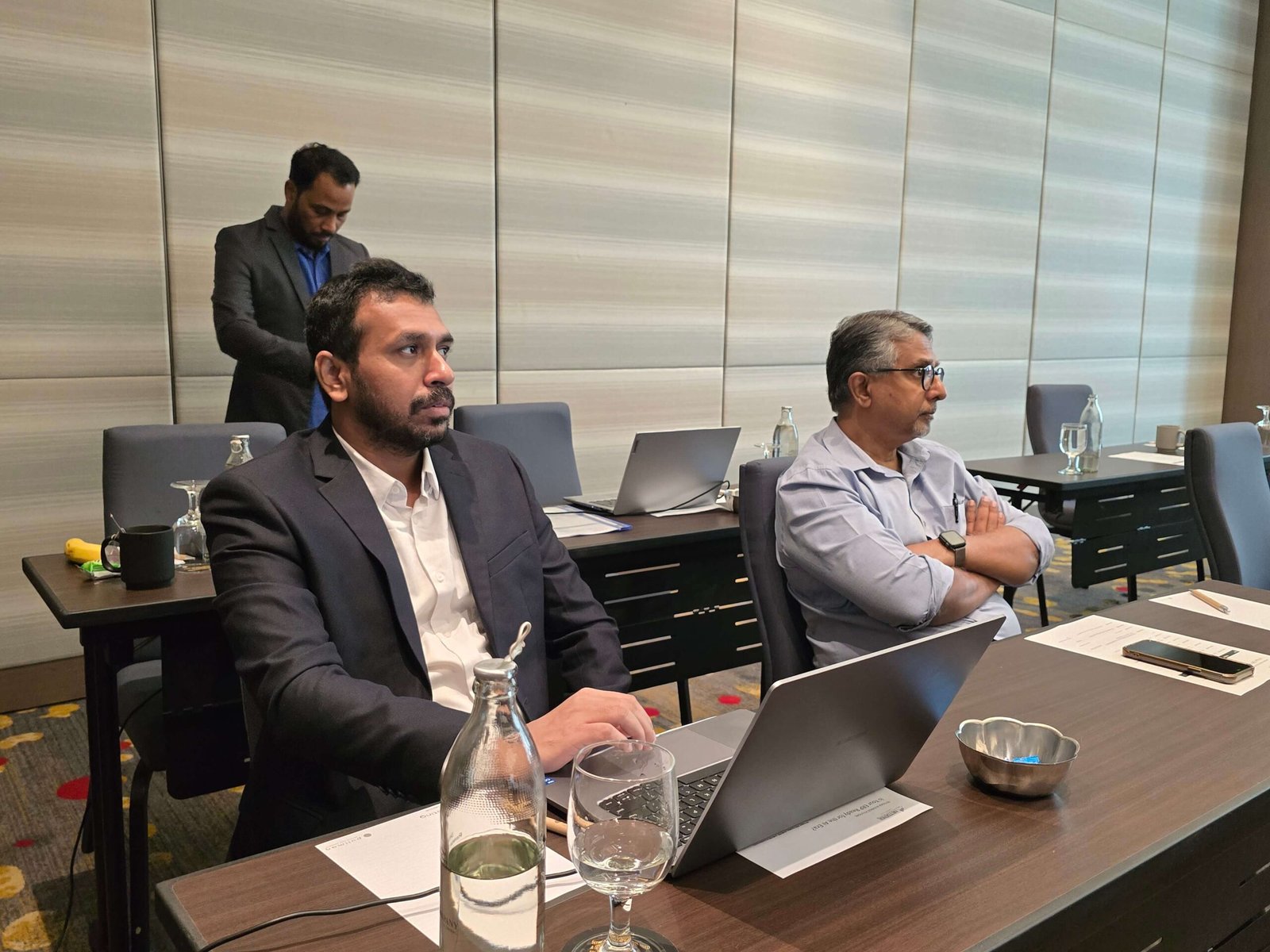
Businesses therefore need to examine their workflows and understand where processes can be standardised, digitised and improved.
Once the underlying processes are structured, automation and AI can be applied more effectively to support operational efficiency and productivity.
4. AI Should Solve Real Business Problems
Another important takeaway from the session was the need to connect technology with actual business outcomes.
AI should not be adopted simply because it is the latest technology trend. The more important question is where it can create meaningful value for the organisation.
That value can include:
- Greater efficiency through reduced manual work
- Better visibility across business operations
- Stronger control over processes and information
- Faster decision-making through accessible business insights
- Greater scalability as the organisation grows
- Measurable ROI from technology and process improvements
The presentation demonstrated this principle through examples of AI being applied not only to business information and reporting, but also to CRM processes and ERP implementation activities such as data migration, data preparation, requirements analysis, meeting notes, task follow-up and project risk reporting.
The focus is therefore not simply on what AI can do, but on what business problem AI can help solve.
5. Business and IT Must Move Together
ERP and AI transformation should not be treated as an IT-only initiative.
The discussions highlighted the relationship between technology, business processes, people, organisational change and business strategy. Even when the technology is capable of supporting a new process, successful transformation still depends on how the organisation adapts and how people interact with the system.
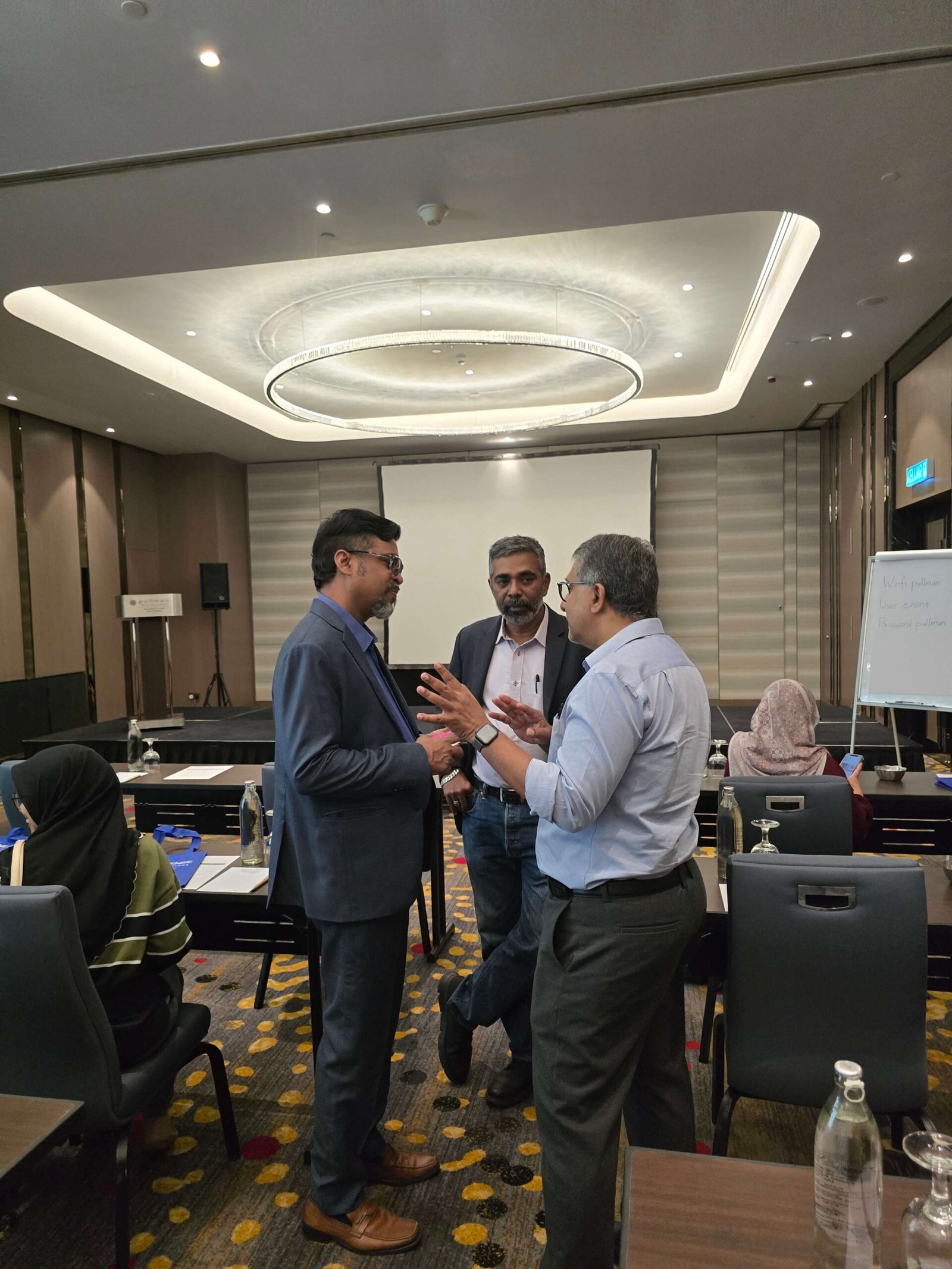
This becomes even more important when AI is introduced into business processes.
The panel discussion highlighted the need for human-in-the-loop controls because AI outputs are not always deterministic. Important outputs may still require a person to review, approve, comment on or reject them before the process continues.
For this reason, successful AI transformation requires alignment between business leadership, finance, operations, IT and the people responsible for executing the processes.
Ultimately, the event reinforced a broader principle:
AI readiness is not a single technology decision. It is the result of having the right ERP foundation, connected data, effective processes, organisational readiness and a clear business objective.
Also Read: How to Choose the Right ERP System for SMEs in Malaysia (2026 Guide)
From ERP Modernisation to AI-Ready Operations
The journey towards AI-ready operations does not happen in a single step.
For many businesses, the starting point may still be legacy systems, spreadsheets or disconnected applications. Before introducing advanced AI capabilities, organisations need to establish a stronger digital foundation that allows business information to move more consistently across functions and processes.
The transformation journey can be viewed as a progression:
Legacy / Disconnected Systems
↓
Modern Cloud ERP
↓
Connected Business Data
↓
Intelligent Automation
↓
AI-Ready Operations
From Legacy Systems to Modern Cloud ERP
Legacy and disconnected environments can make it difficult for organisations to maintain a consistent view of their business. Information may sit across different systems, spreadsheets and manual processes, creating additional work and limiting visibility.
Moving towards a modern Cloud ERP can provide a more connected foundation for core business operations.
However, Cloud ERP should be viewed as a foundation for further transformation, rather than the final destination.
Connecting Business Data
Once business processes are brought into a more structured ERP environment, organisations can begin to connect information across functions.
Finance, sales, purchasing, inventory, projects, service and other operational areas can work from a more integrated source of business information.
This connected data becomes increasingly important as organisations introduce analytics, automation and AI.
The goal is not simply to collect more data, but to make business information more structured, accessible and useful.
Introducing Intelligent Automation
With connected systems and structured processes in place, businesses can identify opportunities to automate repetitive and time-consuming activities.
The presentation demonstrated how AI-enabled capabilities can extend beyond traditional reporting and workflow automation—supporting areas such as CRM updates, follow-ups, business insights and other operational activities.
Also Read: Why CRM and ERP Integration Matters for Modern Businesses in 2026
This represents a shift from simply automating predefined tasks towards using intelligence to support how work is performed.
Moving Towards AI-Ready Operations
The next stage is an operating environment where AI can work with connected business information and support people across everyday business processes.
This includes the emerging concept of agentic operations, where AI can increasingly support activities based on business context rather than simply responding to isolated requests.
But becoming AI-ready does not mean removing people from the process.
As discussed during the event, AI outputs still require appropriate human oversight, particularly when they influence important business processes or decisions.
AI Readiness Is a Journey, Not a Single Implementation
There is no single product, feature or implementation that automatically makes a business AI-ready.
Instead, AI readiness develops progressively:
Modernise the ERP.
Connect the data.
Improve the processes.
Introduce intelligent automation.
Build towards AI-enabled operations.
Each stage creates a stronger foundation for the next.
This is why the question “Is your ERP ready for the AI era?” is ultimately broader than an ERP technology question.
It is a question about whether the business, its data, its processes and its technology foundation are ready to evolve together.
And for organisations considering that journey, the most practical place to begin is not necessarily with AI.
It is with an honest assessment of where the business is today—and where it needs to be next.
What Businesses Can Do Next
The move towards AI-ready operations does not need to happen all at once. For businesses considering ERP modernisation, automation or AI adoption, the most practical approach is to first understand the current environment, identify the gaps and then prioritise where transformation can create meaningful value.
Also Read: Project Kick-Off: UBF Maintenance Sdn Bhd Begins Its Acumatica Cloud ERP Journey with Netsense
Based on the discussions during the Executive Lunch & Learn, businesses can begin with five practical steps.
1. Assess Your Current ERP Capabilities
Start by understanding what your existing ERP can already do—and where it may be limiting the business.
Consider:
- Does the ERP provide a connected view of the business?
- Can users access timely and reliable information?
- Are core business functions connected?
- Can the system support automation and future AI capabilities?
- Are users still dependent on spreadsheets or manual workarounds?
The objective is not immediately to replace the system, but to establish a clear picture of its current capabilities and limitations.
2. Identify Disconnected Data and Systems
Next, identify where business information is fragmented.
Look across areas such as:
Finance → Sales → Operations → Inventory → Purchasing → Customer Data → Reporting
Determine where information is duplicated, manually transferred or maintained in separate systems and spreadsheets.
Data quality also matters. During the event, the discussion highlighted that businesses may encounter significant data-quality challenges when moving information into a new system. Accurate, structured data is an important foundation for subsequent automation and AI initiatives.
3. Review Manual and Inefficient Processes
Map the processes that still depend heavily on manual intervention.
Ask:
- Where are employees repeatedly entering or moving data?
- Which approvals are still handled manually?
- Where are spreadsheets being used to compensate for system limitations?
- Which workflows require unnecessary follow-up?
- Where do digital processes still contain manual steps?
The objective is to identify the operational friction that can potentially be reduced through better processes, automation or system capabilities.
4. Identify Practical Automation and AI Opportunities
Once the data and processes have been assessed, identify where automation or AI could deliver genuine business value.
This could include opportunities around:
- business reporting and insights
- CRM updates
- follow-ups
- data processing
- workflow automation
- data migration and preparation
- requirements analysis
- project documentation
- project risk reporting
The presentation demonstrated examples of AI being used in both business operations and ERP implementation activities, including automating tasks around data migration, data cleansing, requirements analysis, meeting notes, task follow-up and project risk reporting.
The important principle is to start with business needs and measurable outcomes, rather than adopting AI simply because the technology is available.
5. Define a Realistic ERP and AI Transformation Roadmap
Finally, turn the findings into a practical roadmap.
Rather than attempting to transform everything simultaneously, businesses can prioritise initiatives based on:
Business Impact → Feasibility → Readiness → Investment → Expected ROI
This creates a clearer path from the current state towards the desired future state.
During the event, Netsense also introduced a readiness assessment as a practical starting point for businesses to understand their current situation, identify areas where value may be lost and determine potential steps for the following 90 days.
Start with Readiness, Not Technology
The most important next step is not necessarily choosing an AI tool or replacing an ERP.
It is understanding where your business is today.
Once the gaps in your ERP, data, processes and operations are clear, it becomes easier to determine which improvements should come first—and where Cloud ERP, automation and AI can genuinely contribute to better business outcomes.
The goal is not to become AI-ready overnight.
The goal is to build a business foundation that is ready to evolve.
Ready to Assess Your ERP and AI Readiness?
The AI era is already changing how businesses operate. The next question is whether your ERP, business data and operational foundation are ready to support what comes next.
Understanding your current state is the first step towards making better technology decisions.
Whether you are exploring ERP modernisation, Cloud ERP, automation or AI, Netsense Business Solutions can help you assess where you are today and identify practical opportunities for improvement.
Our areas of expertise include:
- ERP assessment
- Cloud ERP consultation
- ERP modernisation
- AI readiness discussion
- Digital transformation
Start Your ERP & AI Readiness Journey
Talk to our ERP specialists to discuss your business requirements, current challenges and potential next steps.
Frequently Asked Questions
What Does It Mean for an ERP to Be AI-Ready?
An AI-ready ERP provides a connected and structured foundation for business data and processes, allowing organisations to build on capabilities such as analytics, automation and AI.
AI readiness is not determined by having an AI feature alone. Businesses also need to consider the quality and structure of their data, the level of process digitisation, organisational readiness and whether their ERP environment can support their future transformation objectives.
Does Moving to a Cloud ERP Automatically Make a Business AI-Ready?
No. Moving to a Cloud ERP is an important step towards modernising the technology foundation, but it does not automatically make a business AI-ready.
Organisations also need connected and reliable data, digitised processes and the appropriate people and organisational readiness to make effective use of AI and automation.
Why Is Connected Business Data Important for AI?
AI needs access to business information to generate insights and support business processes.
When information is fragmented across spreadsheets or disconnected systems, it can be more difficult to establish a consistent view of the business. A structured and connected ERP environment can provide a stronger foundation for using business data across areas such as finance, sales, operations, inventory and reporting.
How Can Businesses Start Preparing Their ERP for AI?
Businesses can begin by assessing their current ERP capabilities, data and processes.
A practical starting point is to:
- Assess the current ERP environment.
- Identify disconnected data and systems.
- Review manual and inefficient processes.
- Identify practical automation and AI opportunities.
- Build a realistic ERP and AI transformation roadmap.
The objective is to understand the current state before deciding which technologies or improvements should come next.
What Role Does Acumatica Cloud ERP Play in AI-Ready Operations?
Acumatica Cloud ERP can provide a connected foundation for core business operations, bringing areas such as finance, sales, purchasing, inventory, projects, service and reporting into a more integrated environment.
During the Executive Lunch & Learn, the presentation demonstrated how Acumatica can work with structured business information and AI-enabled capabilities to provide users with greater visibility, data interaction and support for business decision-making.
AI readiness, however, depends on more than the ERP platform itself. Data quality, processes, people and organisational readiness also remain important.
How Can Netsense Help Businesses With ERP and AI Transformation?
Netsense Business Solutions helps businesses assess their current environment and identify practical opportunities for ERP modernisation, Cloud ERP, automation and AI.
As discussed during the event, Netsense offers a readiness assessment to understand the business, identify areas where value may be lost and determine potential steps for the next 90 days.
The starting point is not necessarily implementing new technology. It is understanding where the business is today, where the gaps are, and what should come next.
Final Thought
The AI era is already reshaping how businesses operate. But the ability to benefit from AI depends on more than access to new technology.
It depends on whether the business has the data, processes, systems and organisational foundation needed to put that technology to work effectively.
That is why AI readiness starts with business readiness.
For organisations considering their next step in ERP modernisation, Cloud ERP, automation or AI, the journey should begin by understanding where the business stands today, identifying the gaps and defining where technology can create meaningful and measurable value.
Netsense Business Solutions helps mid-market businesses navigate that journey—from strengthening their ERP foundation to exploring new opportunities in automation, AI and digital transformation.
Ready to explore what comes next?
Explore ERP & Digital Transformation with Netsense
Unleashing the True Potential of Mid-Market Companies.