In the fast-moving world of logistics, businesses are under constant pressure to deliver goods faster, cheaper, and more efficiently.
The rise of AI (Artificial Intelligence) and cloud-based ERP systems is transforming how logistics companies operate, streamlining processes and boosting productivity like never before.
Whether you’re managing fleet operations, warehouse management, or supply chain optimization, integrating AI-powered ERP solutions can give your logistics business the competitive edge it needs.
What Is a Cloud ERP System?
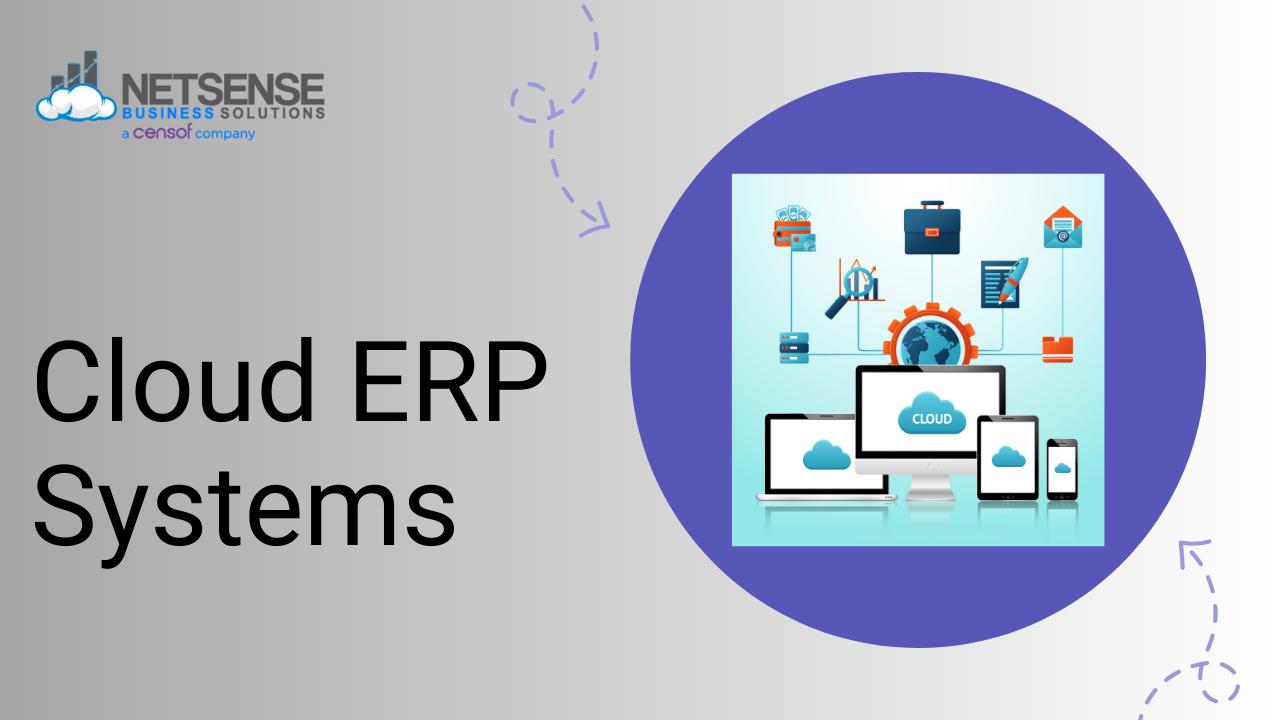
Enterprise Resource Planning (ERP) is a centralized platform that integrates core business functions such as inventory, accounting, procurement, and supply chain management. A cloud ERP system goes a step further by hosting this platform online, making it accessible anytime, anywhere.
For logistics businesses, a cloud ERP solution eliminates silos, provides real-time visibility into operations, and ensures teams across locations work seamlessly together.
How AI Enhances ERP for Logistics?
When combined with artificial intelligence, ERP systems move from being just a management tool to a predictive, decision-making powerhouse. AI enables logistics businesses to:
- Predict demand and optimize routes using historical data and real-time analytics.
- Automate repetitive tasks like scheduling, invoicing, and reporting.
- Enhance supply chain visibility by tracking shipments and inventory in real time.
- Improve customer experience with AI-driven chatbots and personalized updates.
Benefits of AI and Cloud ERP for Logistics Businesses
- Smarter Supply Chain Management
AI-driven ERP systems help logistics companies forecast demand, optimize inventory, and minimize delays. This means fewer stockouts, better delivery schedules, and reduced operational costs.
- Enhanced Real-Time Visibility
With cloud ERP, managers can monitor shipments, fleet performance, and warehouse activities in real time. This ensures quicker responses to disruptions and better resource allocation.
- Cost Savings Through Automation
By automating tasks like billing, compliance checks, and scheduling, businesses save on labor costs while reducing human errors.
- Improved Fleet and Route Optimization
AI algorithms analyze traffic patterns, weather data, and delivery requirements to create optimized routes—reducing fuel costs and improving on-time delivery rates.
- Better Decision-Making with Predictive Analytics
AI-powered cloud ERP software provides actionable insights into business performance, helping leaders make data-driven decisions that improve efficiency and profitability.
- Scalability and Flexibility
Cloud-based ERP systems grow with your business. Whether expanding into new markets or adding warehouses, the system adapts without heavy IT investments.
Why Logistics Businesses Should Adopt AI-Driven ERP Now?
The logistics industry is more competitive than ever. Customers demand faster deliveries, real-time tracking, and lower costs. Without the right technology, businesses risk falling behind.
Adopting AI and cloud ERP systems allows logistics providers to:
- Deliver superior customer service.
- Improve operational efficiency.
- Scale seamlessly with business growth.
- Stay compliant with evolving industry regulations.
Final Thoughts
For logistics companies, productivity is the backbone of success. By leveraging AI-powered cloud ERP systems, businesses can unlock smarter supply chains, reduce costs, and deliver better customer experiences.
In a market where every second counts, investing in the right logistics ERP solution can be the difference between staying ahead—or falling behind.